


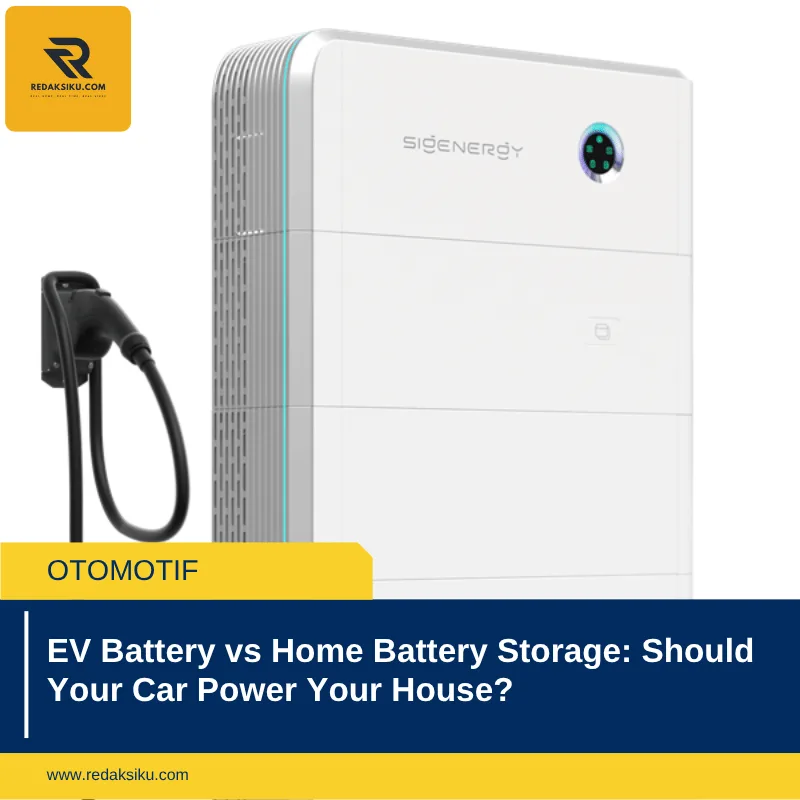
An electric vehicle can store far more energy than a typical home battery. That single fact has made vehicle-to-home power one of the most interesting ideas in residential energy. If the car already has a huge battery, why buy another one for the house?
The answer depends on availability, habits, and control. V2H, short for vehicle-to-home, allows an EV to send power back to a house through compatible bidirectional charging equipment. V2G, or vehicle-to-grid, goes one step further and allows energy exports to the grid when programs permit it.
The EV has capacity on its side
Many EV packs hold several dozen kilowatt-hours of energy. That can be enough to support critical home loads for a meaningful period, depending on what is running. A stationary home battery is usually smaller, but it is always at the house and dedicated to the home.
ADVERTISEMENT
SCROLL TO RESUME CONTENT
That difference matters. A car cannot back up the home if it is parked at work, on a trip, or below the minimum charge needed for driving. A stationary battery is less dramatic, but more predictable.
According to the U.S. Department of Energy, bidirectional charging can support demand management and grid-interactive buildings when the right vehicles, chargers, controls, and utility programs are in place.
There is an everyday-life issue here that technical comparisons often miss: the vehicle has a job outside the house. A stationary battery can spend every day optimizing the home. An EV must also be ready for school runs, commutes, errands, and emergencies. Any V2H plan needs a minimum driving reserve so household backup does not leave the car short on range.
Hardware compatibility is the gatekeeper
The EV, charger, inverter, transfer equipment, utility interconnection, and software all need to work together. A standard Level 2 charger cannot automatically turn every EV into a home backup source. Bidirectional charging requires specific power electronics and safety controls.
That is why the charger becomes the center of the decision. A bidirectional DC EV charging setup is designed for two-way power flow, not just filling the vehicle battery.
Utility approval can be another gate. Exporting from a car to a house during an outage is different from exporting power to the grid. V2G programs may require utility enrollment, metering rules, and specific interconnection approval. Homeowners should separate the promise of the technology from the programs available in their service territory.
Home battery still has a role
V2H does not make stationary storage obsolete. The two can complement each other. A home battery can handle everyday solar shifting and outage readiness. The EV can provide larger reserve energy when it is available and compatible.
This layered approach may be especially useful for households with rooftop solar. Solar can charge the home battery during the day, the EV can charge when surplus power is available, and the home energy management system can decide which source to use during peak pricing or outages.
IEEE publications on distributed energy resources have repeatedly emphasized that coordination and grid protection are essential when many small devices export power. At home, that translates into a simple rule: the system should be designed as a system, not assembled as a wish list.
Battery wear is also worth discussing plainly. Both EV and home batteries are designed for cycling, but each cycle is still part of the equipment’s life. A homeowner using an EV for daily V2H should understand warranty terms, supported operating modes, and any limits from the vehicle manufacturer. The best setup is one that works inside those rules instead of relying on assumptions.
The user interface should make those rules easy to follow. A driver should be able to see how much vehicle range is reserved, how much power is available for the house, and whether the system is in backup, savings, or grid-support mode.
The best choice depends on the household
Choose a stationary battery first if backup must work whether or not the car is home. Prioritize V2H if the household owns a compatible EV, parks at home often, and wants a larger flexible energy source. Consider both if the home has high electrical loads, solar, and time-of-use rates.
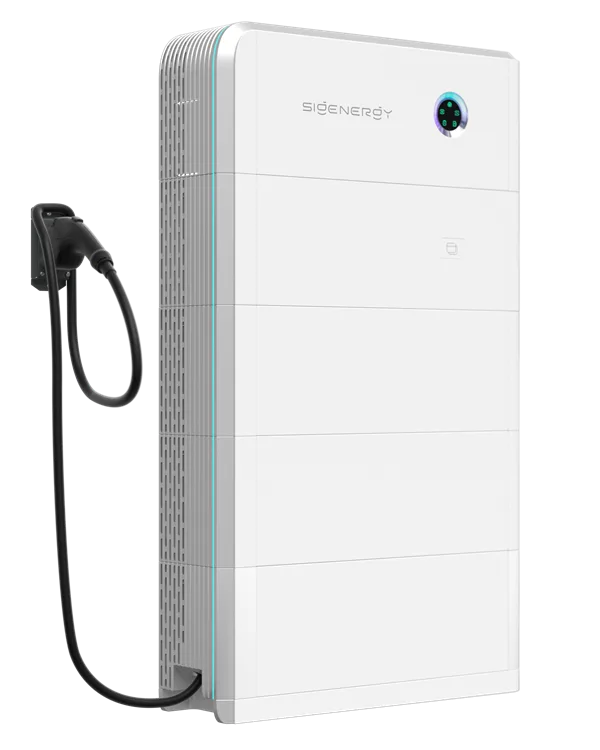
The idea of a car powering a house is no longer science fiction, but it is still an equipment and compatibility question. For homeowners exploring that path, the Sigen EV DC Charging Module offers a relevant example of a 25 kW bidirectional DC charger built for V2H, V2G, and broader V2X use cases.
Penulis : Redaksiku
Editor : Redaksiku
Sumber Berita: sigenergy.com